How to Find Water and Filter and Purify or Distill Using the Sun
Knowing how to purify water will save your life.
You may think that because you are miles from civilisation that any water source would be safe to drink but this is not the case.
After obtaining shelter, water is your next priority and regardless of your current supply, you should begin immediately securing a source.
In most cases, you will have to filter and purify any surface water source you find in a wilderness environment.
Surface water sources are contaminated by animal faeces, birds, insects and animal carcases and by humans as well.

The water source will contain harmful bacteria, parasites and pathogens that will cause illness or worse. The water must be filtered and purified before it would be considered safe to drink.
Acceptable methods of emergency water purification include, chemical treatment using iodine or chlorine dioxide tablets, or sodium hypochlorite (liquid chlorine), by boiling the water or by using a portable water filtration system.
Basic Layer Filter
 Not only must you know how to purify water you must also learn how to filter it properly first.
Water must be filtered to remove waterborne cysts that can harbour and protect bacteria from chemical treatment or even boiling. The cysts can be described as micro sized seedpods that can withstand high temperatures. Filtering will remove these cysts along with pesticides, herbicides, sediment, insects and other debris.
Filtering mediums include charcoal, sand, gravel, cloth, cheesecloth and coffee filters. Layer the filtering mediums with the finer material as the bottom layer to filter out the microorganisms.
Use any food can with a hole in the bottom, plastic soda bottle or any suitable device that did not contain chemicals or other toxins.

Next, pour the water into a vessel for boiling or into your container for chemical treatment.
Allow the water to rapid boil for one minute if at sea level and if you suspect you are above sea level boil for three minutes. Water boils at a lower temperature at higher elevations because of the reduced air pressure thus, the extended boil time.
Boiling longer than the recommended times will cause you to lose water volume through evaporation; this can be problematic if you have a limited source.
For every 152 meters / 500 feet above sea level, water’s boiling point is reduced by one degree.
Before setting out on any outdoor adventure make sure, you know how to purify water before you find yourself in a survival situation.
Finding Water
You now know how to purify water but before you can get started, you have to find water first. You may not always have a river, stream, lake or pond next to your campsite in fact you may have to dig for it or collect it using other methods that will be described but first how to dig for water -
 Dry wash or shallow gullies can be a source of water, particularly if there is green vegetation along the sides. These washes usually have water flowing at various times. In the dryer seasons, the flow diminishes or stops completely but there can be water just below the surface.

Note the green vegetation in this arid environment. The plant life could not survive on the rock outcropping unless there was a water source just below the surface. You may find a natural spring is seeping through a fissure in the rocks and is filling up a small cistern. In years past people constructed cisterns to collect spring water, pooled water made is easier to collect. Any water collected from a cistern must be purified; animals will use the source as well and will have contaminated it.
Solar Water Distillation and Transpiration


Transpiration simply means to lose water vapour.
Plants lose water vapour through their epidermal pores or their stomata located on their leaves. Technically this a gas exchange in plants.
Plants absorb carbon dioxide and through transpiration exchange that gas for oxygen, which is present in the vapour they lose through their stomata.

Plastic bags a weight (small stone) for the bag and some string are needed to collect water using this method.
The vapour given off by the leaves will condense on the sides of the bag and drip toward the weight placed in the bag.
Clear plastic is ideal because it allows the sun’s rays to strike the leaves.
This is a way to collect moisture from the soil using a solar water distiller. Materials needing are a digging tool, collection cup, sheet of clear plastic and a small rock for a weight.
Evaporated water is purified so you do not need to know how to purify water collected with this method.
Dig out a small depression and make sure the plastic can cover it with plenty of overlap on the sides. Once excavated place a collection cup in the centre of the depression and fill the hole in with green vegetation.
Place the plastic over the top and secure along the sides with the excavated soil or rocks.
Place the small rock over the collection cup that is under the plastic and put a small hole in the plastic over the cup. The weight creates a depression to allow water to flow toward the hole.
The sun will essentially “sweat” the moisture from the soil and vegetation. As the moisture evaporates, it will condense on the top side of the plastic and begin to flow toward the hole and begin dripping into the collection cup.
Portable Water Filtration - Where Prepping comes into its own.!
If you are able to prepare for a situation that requires raw untreated water to be filtered and left safe and sterile for drinking, then it is always advisable to carry a portable water filter in your backpack. In fact you can also get a water filter drinking straw which will give you safe drinking water direct from a water source. [not sea water].
These other ‘instant safe drinking water filters’ offer safe, clean, drinkable water but without the hassle of all of the above methods.

Modern water purification makes drinking safe water easy for everyone, regardless of your skills level.
Provided you can find a water source, you will always have clean, safe water to drink and survive.
Here's three of the very best water bottle filters on the market today
All three of these portable filter bottles are capable of removing 99.9% of microbiological contaminants. Thats waterborne bacteria, parasites, protozoa and pathogens, plus any metals and chemicals.
In fact, from a prepping and survival point of view these filter bottles are a 'must have' to add to your survival kit.
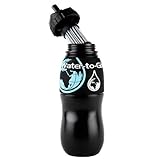

Want to know about these water filter bottles? Click links below for my video reviews
- See my full video test and my full review of the LifeStraw Filter here
- See my full test and review of the Water to Go Filter Bottle here
- See my full test and review of the Lifesaver Bottle here
Learning how to purify water is not complicated and the methods described are relatively easy to accomplish.
In some cases, you will have to be prepared by having certain materials with you or have the ability to find those materials in your environment.
Foraging can result in you finding what you need, such as discarded metal cans or other vessels to boil water in and discarded plastic shopping bags that can used to collect water from green vegetation
Knowing as many of the old bushcraft water filtering methods is essential for all preppers.
But we are in the 21st century folks..!
Modern water filters are the way to be fully prepared.
Don't get caught out - get prepared first.
Happy Prepping Folks.
Steve

Keep updated with all the latest prepping news and information
* Enter your name & a valid Email address
* You will receive an Email titled 'Preppers Newsletter Subscription'.
* Simply confirm to have access to our regular newsletter and also get your free PDF copy of: 'Beginning Prepping'


 ]]>
]]>LifeStraw Personal Water Purification Filter – Test and Review
 There may be water everywhere, but would you risk just scooping it up and drinking it?
If you were in an absolutely desperate situation where you had nothing to drink for days, then maybe it’s a yes. If your life depended on it, then it might be worth the risk.
If you’re settled in a camp, intending to stay for a while, there’s always the old favourite of making a fire and finding something to contain the contaminated water in while you boil it up.
But what if your on the move and have no time for stopping and making fires and boiling water and hanging around?
Well, for anyone in that situation, and I’m talking hiking and trekking as well as prepping, you have to look towards modern technology to give you the answer.
That particular bit of survival technology comes in the form of the Lifestraw Personal Water Purification Filter.
Just recently I was sent the Lifestraw filter from my friendly survival gear suppliers at Silver Fox.
So it was straight out to give it a good test to see just what it could do.
This is my Lifestraw review:
 The first thing that will strike you is, how dam light this thing is.!
At 2oz, a box of matches is heavier and initially you handle it with care, thinking something that light can’t be very strong – but don’t be fooled by that one, it’s a solid bit of kit.
Yeah, sure, hit it with a hammer and it’ll break, but the overall build is solid and tough, with the main body made from a rigid plastic and the mouthpiece and course water filter from a rubberised plastic, so a bit more supple.
 It’s a bit of a wolf in sheeps clothing really, in so much as, it looks quite unassuming and low key, as it has no moving parts, you don’t have to add batteries or wind it up or pump it or use any other way to make it work.
You simply remove the bottom coarse filter cover and the top mouth guard and you good to go – simple as that. No faffing around.
You can just lean down and drink from any water source you happen to find laying around.
How easy is that…..
All the technology is on the inside:
Inside the 9″ long body is a ‘hollow fibre filter’ that is capable of filtering out bacteria down to 0.2 microns in size.
To you and me that means small, small enough to stop 99.9999% of the bad stuff getting through – see the specifications here on the right >
Good points:
Without doubt its most noticeable feature is the weight – you can certainly carry it around all day and never notice you have it with you. This is ideal for anyone hiking.
It does exactly what it’s supposed to do.! In my field test, the filtered water tasted as good as bottled water.
The top and bottom dirt caps fit snugly, so even if you dropped it the mouthpiece wouldn’t get dirty.
Bad points:
I found one tiny problem, probably insignificant to most people but, the clip securing the neck cord to the top of the filter snagged on my jacket as I pulled it over my head and ‘unclipped’ itself.. Not a problem if carried in a rucksack, but just me being over fussy…
Overall conclusions:
It works, simple as that really.
Definitely gets a 100% thumbs up from me, in fact, after testing this one, I went out and bought another.
Currently selling for under £22 from Amazon, I think it’s an absolute bargain for 1000 litres of drinking water.
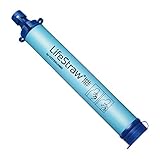
Below is my full video review of the LifeStraw Personal Water Purification Filter:

.
.
.
.
If you liked this article - Please Share It
 ]]>
]]>Drinking Water Myths and Wives Tales
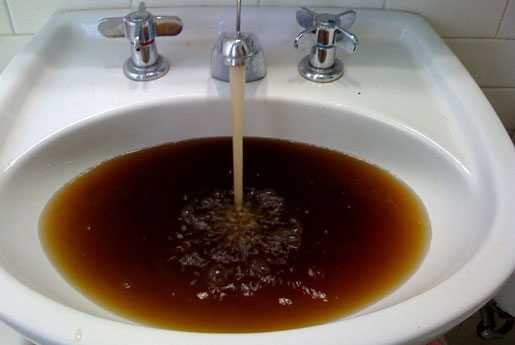 There are many drinking water myths and wives tales about finding and drinking water in a survival or disaster situation.
By following these old tales you could easily land up in a worse condition than when you started…
They could even lead to severe illness and even death.
Below is the most commonly found myths about how, when and where you can drink water.
Eat some snow to rehydrate you
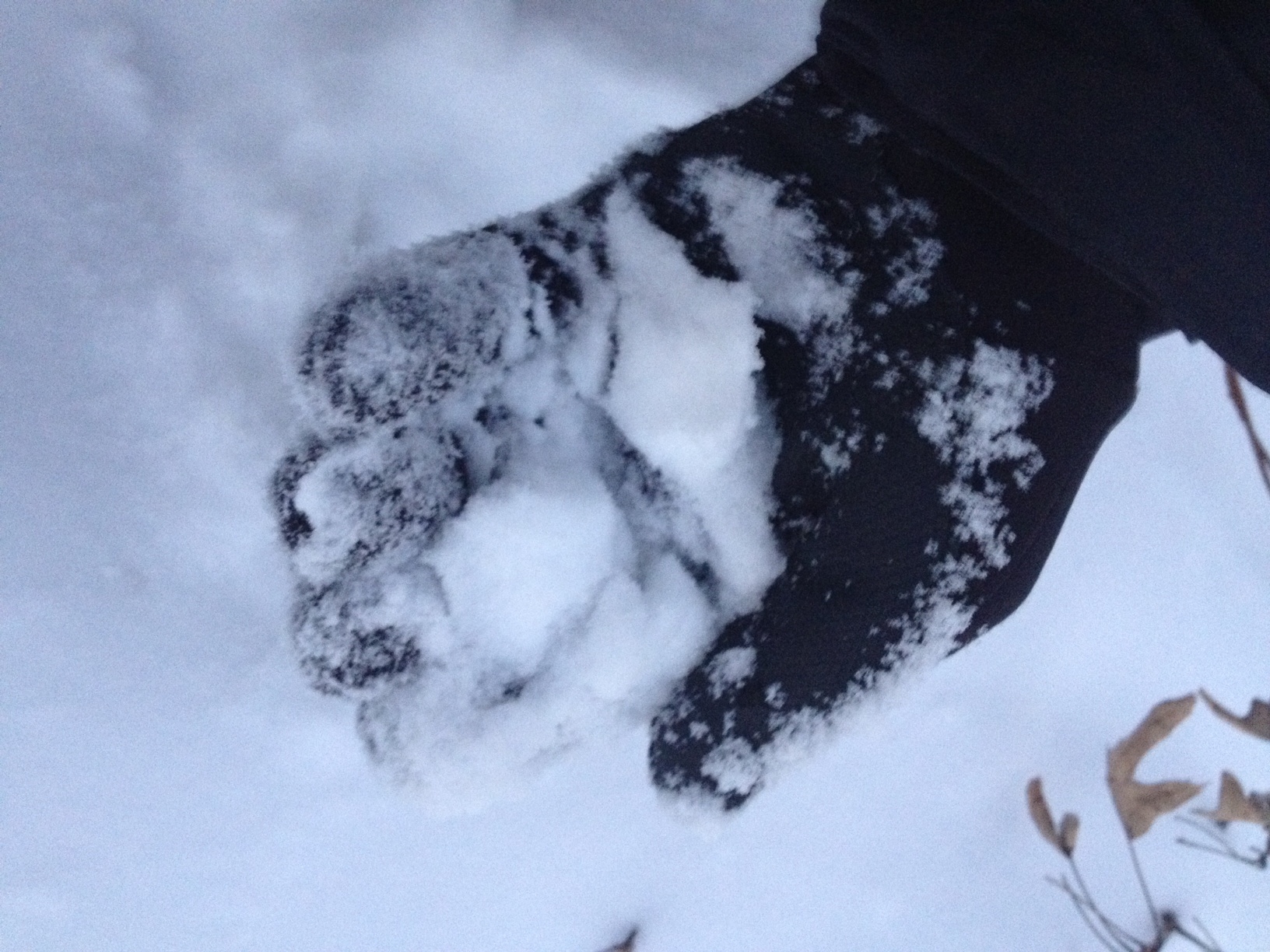 When you consider that snow is very ice cold, it then makes sense that it will require lots of energy calories to warm it for proper digestion when in your stomach.
By eating ice cold snow, you are cooling your core body temperature – this can lead to hypothermia.
As snow lays on the ground it will collect a lot of different types of bacteria and other organisms – this bacteria and organisms can easily make you ill.
Always melt snow or ice before ingesting and definitely stay away from snow that is discoloured, e.g. yellow snow.
If you melt snow first it can then be boiled and purified.
Can you drink salt water?
 In a word… NO, never drink seawater.
Sea water will increase your bodies dehydration level and will kill you very quickly indeed.
In fact, drinking sea water will cause death even faster than having nothing to drink in the first place.
In excessive heat, you can use salt water to help cool your body down, but never drink it.
If it’s stream of running river water it’s safe to drink
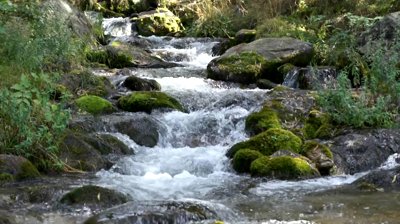 This is rarely true…. on the odd occasion a fresh glacier stream may be clean but not always.
Remember, you don’t know where that stream has been before you met it!
You have no idea what it passed over or what it came in contact with along it’s merry path to you either.
There could be animal waste, even dead birds or large animals laying in the upstream.
Essentially, if you have to make a choice between still or running water, the running water has less chance of being contaminated – but always try to filter the water, even if it’s just through a cloth or bandanna, anything will help to try and purify it a bit more.
You can drink your own urine
 Well, technically it’s a yes, BUT very, very small amounts.
Remember, urine contains all your bodies toxins – of which, most are extremely toxic and considered dangerous to your body in the first place.
Even small amounts should only be considered in the most extreme circumstances.
Urine will not rehydrate you – you are only using the bodies waste to try and rehydrate, by doing this will slow your bodies natural functions and this process actually uses more body fluid to process..!
Remember – if you are thirsty, it’s your bodies way of telling you, you are already dehydrated.
Drinking from a puddle or pond or dip in the road is fine.
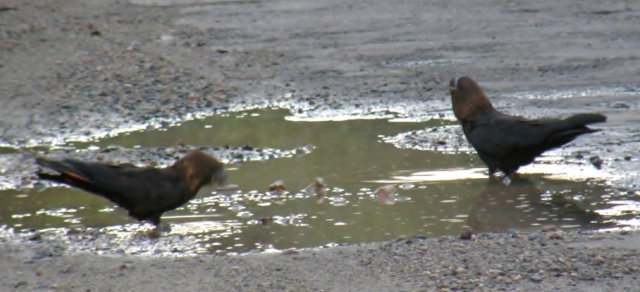 Ha ha… yeah right. Of course you shouldn’t drink from a pond or puddle.
The same rules apply here as with all of the above.
You have no idea what’s been in that water before you – it could even be a sewerage run off!
Always try to treat and purify the water before ever drinking it.
Always stop and think first before drinking from an unknown water source – and definitely treat and purify the water first.
- In it’s most basic form you can make a crude filter using natural sources.
- Rapid boiling the water for a minute will also kill most harmful bacteria and parasites.
- Without doubt a potable water filter bottle is your best option.
- For larger storage of filtered safe drinking water, a jerry can filter system is the right choice.
If you know of any other strange drinking water myths and wives tales – let me know, contact is right down the bottom of the page…
If you liked this article - Please Share It ]]>
]]>Can You Drink Rain Water and is it safe to do so.? 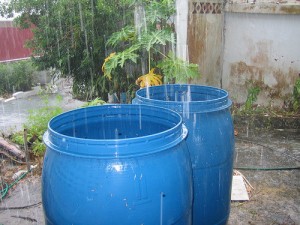

Collecting and using rain water can be a great way to conserve resources at home and in a survival situation it may well be your only choice for drinking water.
However, rainwater is not quite as pure and clean as you may might think, so never assume the rain dripping down from your roof is safe to drink.
Even as the rain pours down it has collected many airborne particles and contaminates.
As it runs down and off your roof it has a happy time soaking up anything that just happens to on your roof.
Typically, any form of waste or bird poo will wash down from your roof and then easily be absorbed into any rainwater that passes it. So if you’re trying to collect it, you can guarantee it’s already contaminated with something that can cause you problems.
 Bacteria, viruses, parasites and numerous chemicals can also be carried along in rain water – all of these can lead to an upset stomach at least and severe disease at worse.
There are, however, a few things that can make your rain water better or worse, namely your location and how you store that water. Also the temperature the water is stored at.
Whatever collection method you use the water will not be anywhere near clean enough or safe enough to drink – in a nutshell, stored water from collected rain water should only ever be used for watering plants or washing your car..!
From a preppers perspective and a survival situation you would most likely be collecting rain water for drinking and cooking purposes only. So for the purpose of cooking you will be boiling the water, making it safe to cook with.
 But, collected water for drinking must be safe to drink.
Adding water purification tablets will work to a certain degree and give you drinkable rain water – but you can only carry so many which severally restricts longer term drinking water in a bug out or survival situation. Plus they are not an ‘instant’ answer to obtaining safe drinkable water.
There is an answer to ‘can you drink rain water’
A portable water filter bottle will give you gallons of safe drinking water every time you need it – this means you can collect rain water however you want and use a portable water filter bottle to ensure you are drinking clean, safe water without any parasites and bacteria.
A portable water filter bottle can also be used to give safe drinking water from any water source – river, pond, puddle – anything except sea water in fact.
There is no boiling and no tablets involved, just fill, filter and drink. This is a preppers dream.
Personally and from my own survival experiences I use the ‘LifeSaver Water Filter Bottle’. It works every time regardless of the water quality I put through it.
I have a full review and field test review right here > LifeSaver Water Bottle
So the answer to the question of ‘can you drink rain water’ is generally a big no, but, with the right equipment you definitely can drink rain water, pond water, river water. You just filter it properly first.
If you liked this article - Please Share It
 ]]>
]]>Best Water Filter Straw for Survival
 Every Prepper should have several means by which safe drinking water is available regardless of the survival situation and there are several very good choices on the market but what is the Best Water Filter Straw for Survival..?
For a quick, on the spot ‘top up’ a Filter Straw is the best method.
However, it is still essential to have a Primary Water filtration Method in place for filtering or purifying water whilst you are out in the bush camping or hiking or if you ever have to make the decision to bug out for extended periods of time.
But the Water Filter Straw is an excellent piece of additional survival equipment to carry in your bug out bag and a definite ‘must have’ essential item in your EDC.
Water filter straws are light, compact and inexpensive, and considering the fact that safe drinking water is one of the top five essential requirements for survival, you really shouldn’t leave home without one.!
What are your choices when it comes to drinking water:
You basically have five choices when it comes to drinking unknown water from an untreated source – i.e from a puddle, lake or stream.

RISK IT.
Without doubt, a big no no..
Drinking water straight from unknown sources, streams or ponds – you would have to be extremely desperate to do this as you are risking doing more harm than good – there’s almost a 100% certainty you will have extreme sickness and diarrhoea as a result.

BOIL IT.
The method has been ‘the’ number one best water purifying method since man realised the dangers of drinking untreated water.
To be completely sure of making the water as safe as posible the water needs to boil to heat up to above 160*f and by the time it reaches boiling above 212*f it is considered safe to drink – boil for over 3 mins.

FILTER IT.
The Water Filter Straw is the ideal method for hiking, camping or bug out.

TREAT IT.
Water Purification Tablets [ Iodine or Bleach ] will chemically treat the suspect water and will kill any harmful bacteria or viruses. *correct dosages and storage can be a problem with this method.

NUKE IT.
You could always blast the dirty water with a UV light to make it safe – There are some portable battery operated models available for killing germs with UV light.
Not really the most practical thing to carry around with you though.
Whatever the method or combination of the above methods you choose, anything is better than nothing and every effort should be made to ensure you have water. With that in mind you must have a primary water filtration method plus other methods – choosing the Best Water Filter Straw for survival is vital.
Most will offer you upwards of 200ltrs supply of drinkable filtered water. – That alone will give you a month of drinking water – They are light, compact and reasonably priced, so to carry a few in your bug out equipment is very easy.
What makes the Best Water Filter Straw for Survival

There are quite a few water filter straws on the market, with quite a lot coming in from Japan and China – these are much cheaper than the top two detailed below.
This makes me a bit worried as to the quality of the filter straw – I’m not saying don’t buy these, but, with something as important as your drinking water, something that your whole survival could depend on, I always pay for the best I can afford.
The reason for choosing the two below as my Best Water Filter Straw for Survival is their ability to clean and purify the ‘old’ water and make it as safe as possible for drinking.
Reasons for choosing the Surviva-Pure or DrinkSafe filter straw.
Both have been vigorously tested and exceed the government requirements for clean, safe drinking water – removing pathogens, bacteria and viruses and leaving you with clean, odour free, safe drinking water.
I have both of these filters in my various kit bags and they work each and every time – I very rarely carry any water with me when I go out hiking which can make a huge difference to pack weight.
Carrying a filter straw instead of litres and litres of bottled water will save you space and weight in your rucksack – a litre of water weighs 1kg.
Imagine the amount of bottled water you would need on only a three day hike..! You could add a lot of other essential equipment for that weight.
Or just reduce your pack weight and save your knees and ankles some pain.!
My top two best water filter straw for survival:
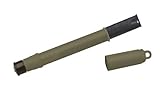
Surviva-Pure Survival StrawThis survival filter straw works immediately once immersed in your water source and is simple to use requiring no pumping or addition equipment. The manufacturers say it is capable of 200 litres of natural tasting safe drinking water free of contaminants from any source whether that’s a river or pond – not sea/salt water though. It is very light and very robust, the Web-tex surviva-pure system has built-in purification and post purification filtration that destroys and removes Cryptosporidium Giardia, Anthrax and many more harmful bacteria
Contains Web-tex Surviva-Pure purification system. Filter contains pre-filters and built in EPA purification media that will outlast the life of the filter. Filter contains post-purification scrubbing system. Includes carry case Straw length - 18.8cm
for more information, reviews & prices – click here
|
|
 |
|
 |
|
 |
|
 |
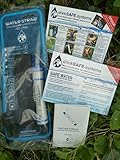
NEW 2014 Drinksafe Waterstraw 700 litre Personal pure water filterThe manufacturers claim this to be the lightest (40grm) proven personal protection device in the world.The DrinkSafe water straw will remove pathogens including viruses, anthrax, crytosporidium, giardia, E-coli, schistomas and helminths in untreated water. It also filters out chemicals and bad taste making the water taste as good as bought bottle water. Using their Patented filter technology this filter straw can stored and then re-used again and again Very simple method of use from a river,stream, puddle and even iced water – not sea/salt water though. The DrinkSafe has an excellent draw rate – you sinmply place the end into water and then suck up on demand. Once you have had enough water you finish by simply blowing out excess water, then close the watertight cap and stow in carrier pouch provided – how simple is that..! This water straw has UK Environment Agency tested filter technology and will filter 700 ltrs of water – it also has an auto shut-down when the filter is exhausted.
Top Tip : Use polythene bag can be used as convenient lightweight cup Complete with field serviceable sediment filter and a user guide. Specification: Water delivery method: Direct via mouth Delivery Rate: 300+ ml minute Dimensions: 19.55 X 2.0 cm Water Delivery / Filter Life expectancy: Up to 700 litres Total system Weight: 40g for more information on the 2014 DrinkSafe Water Straw – click here
see the 5 star reviews from Amazon here
|
 |
|
 |
|
Both of these could be considered the Best Water Filter Straw for Survival and will give you good results and guaranteed safe drinking water ‘on the go’.
The DrinkSafe will give you 700ltrs whereas the SurvivaPure is 200ltr with one filter straw – so you can see you have a huge supply of drinking water that will last a lot of months.
So value for money, these water filter straws are an absolute must have for any UK Prepper or anyone out walking or hiking.
|
|
|
 ]]>
]]>