How to remove a tick on a human when in out in the wild
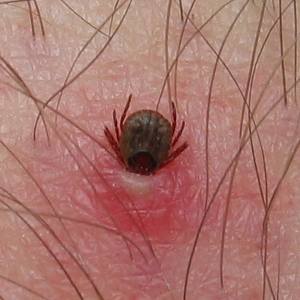
Just about anyone who goes out into the wild – whether you’re a hiker, camping or a prepper doing some bug out practice, will have a very good chance of making friends with a tick.!
The first signs of these nasty little buggers will be an itch, straight away you should be able to feel if a tck has then attached itself to your body.
Bear in mind that a tick can start out very small, under 1/2mm is quite common, so a good visual inspection is recommended in order to identify the tick.
What to do if you find a tick.
DO NOT –
- First of all – don’t panic – it is not going to gnaw your arm off…!
- Do not try and dig it out with your fingernail or a knife or club it to death – you will just make things worse.
- Avoid all the wives tails and remedies for removing the tick such as:
- Do not paint anything on the tick or skin
- Do not smother in vaseline.
- Do not cover in nail varnish
- Do not apply heat or a flame
The reason for not doing any of the above actions are simple – they just don’t work. In fact some will make the situation worse and will quite easily cause additional infection and even some serious diseases.
Types of ticks.
There are some 20 different species of tick that inhabit the UK mainland –
- Generally found in areas of woodland – in particular you will find them amongst deciduous and mixed woodland areas, in the rough upland and moorland pastures, in heathland and grasslands. But can also be found urban/suburban park areas and gardens.
Diseases attributed to ticks on humans.
There a quite a few diseases related to “tick bites” – if treated early they are minor, however, the main disease transmitted by ticks on humans are:
- Lyme disease
- tick-borne encephalitis
- rickettsiosis
- anaplasmosis
- tick-fever
Symptoms of a tick born disease.
The main symptoms of a tick-borne infection are generally:
- fever
- joint pains
- tiredness
- flu-like symptoms
- paralysis
- headaches
*in all cases – you must consult a doctor as soon as you can and receive the appropriate treatment.
Why a tick can lead to infection on a human.
Ticks are host to all sorts of diseases and can be considered second only to mosquitoes, in terms of the number of pathogens vectored.
All ticks require blood in order for them to survive and reproduce.
They will embed themselves [specifically, their head section] into their host and most commonly around areas where the skin is thin – (the back of the knee, the armpit, the groin).
They will insert their rostrums in the skin and then secrete various substances through their saliva glands which then allows the tick to anchor itself solidly into your skin and to suck your blood.
How to remove a Tick in Humans.
It is extremely important to remove the whole tick as soon as possible – especially the head section – if any part of the head is left behind it can very easily cause infection.
DO NOT USE TWEEZERS.
Any attempt to squeeze the tick will result in regurgitation VIA THE TICKS MOUTH THAT IS INBEDDED IN YOU SKIN and the danger of pathogens entering your bloodstream.
THE TICK MUST BE REMOVE WHOLE.
Tools available to remove a tick.
There are a couple of very good and cheap tools available that make removing a tick safe and easy – I personally recommend O’TOM TICK TWISTER as my number 1 tick remover tool.
This video shows how easy it is with this tool.
This Tick Twister is a silly price at under £4 inc VAT & delivery for two twisters and is very light and compact – so ideal for hiking, camping and prepping supplies.
Just another good thing to carry in your rucksack…


For my free PDF download Tick Awareness & Lymes Disease fact sheet please tick logo below